
The History of the Philippines: Ancient Traditions, Culture & Authentic Filipino Food
By Adventure Seekers Travel & Tours
When people visit the Philippines, they often come for the white-sand beaches, turquoise waters, and breathtaking islands. But beyond the tropical paradise lies a country with thousands of years of history, rich traditions, and a culture shaped by indigenous communities, traders, explorers, and generations of resilient people.
To truly experience the Philippines is not only to visit its beautiful destinations—it's to understand its people, their beliefs, their way of life, and the incredible food that brings everyone together.
Long Before Colonization
Long before Spanish ships arrived in 1521, the Philippine archipelago was already home to thriving communities.
Early Filipinos lived in villages called barangays, each led by a local chief known as a Datu. These communities traded with neighboring kingdoms in China, India, Malaysia, Indonesia, and Brunei, exchanging spices, ceramics, silk, gold, and other valuable goods.
Archaeological discoveries reveal that Filipinos were skilled farmers, fishermen, boat builders, metalworkers, and artisans long before European influence.
The Philippines has always been connected to the rest of Asia.
A Deep Connection with Nature
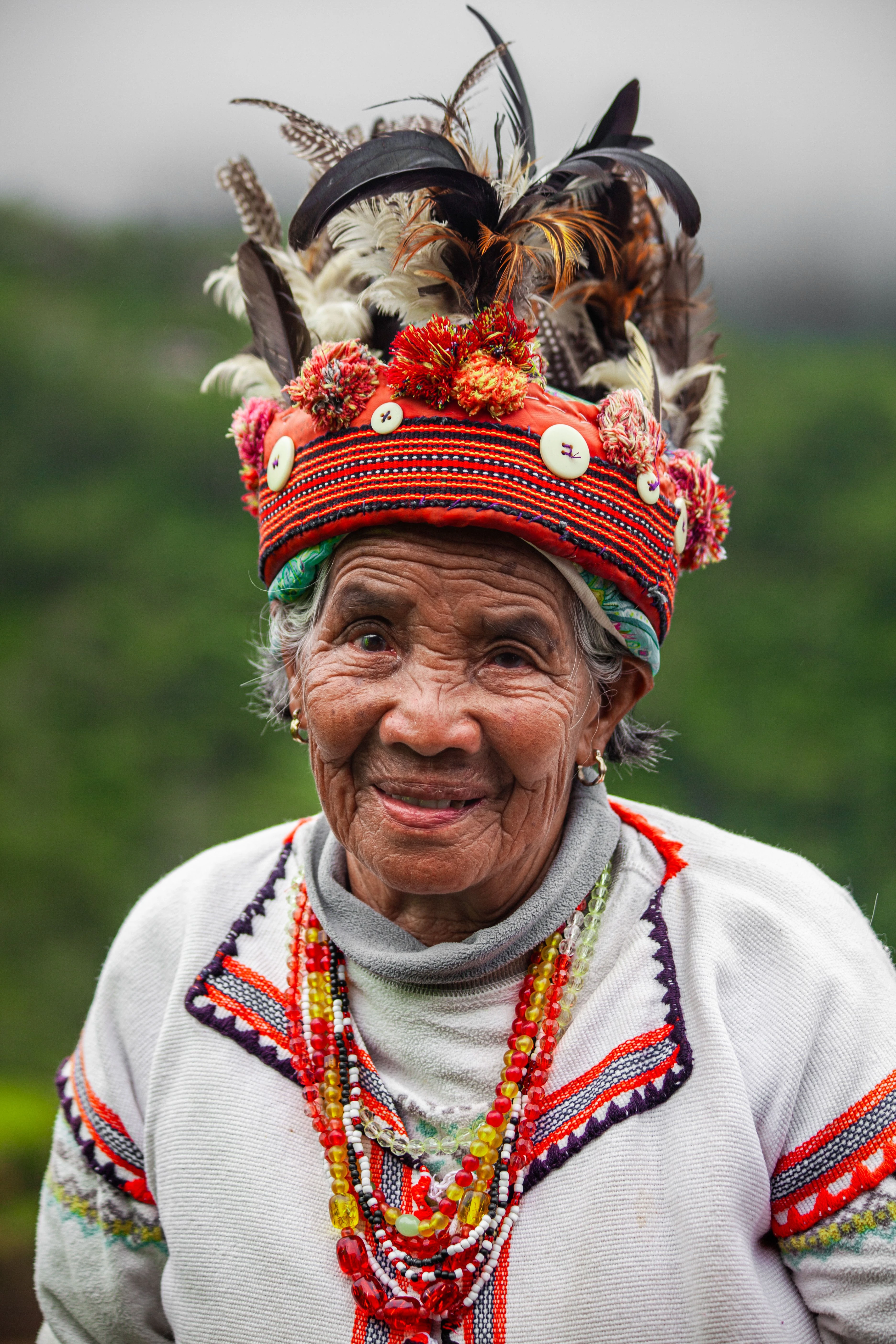
Before Christianity and Islam became widespread, many indigenous Filipinos practiced animism, believing that spirits lived in rivers, forests, mountains, caves, and ancient trees.
Nature wasn't simply something to use—it was something to respect.
Many communities believed that every mountain had a guardian spirit, every forest deserved respect, and every sea provided life.
Even today, these beliefs remain alive in many indigenous communities across the country.
It's one reason why caves like those found on Lamanok Island in Bohol continue to hold cultural and spiritual significance.
Living Close to the Land
Life in early Philippine communities was simple but remarkably sustainable.
Families built homes from bamboo, nipa palm, and hardwood, elevated on stilts to protect against floods and wild animals.
Most people depended directly on nature.
They fished in rivers and seas.
Farmed rice, root crops, bananas, and coconuts.
Raised chickens and pigs.
Gathered fruits from the forest.
Very little was wasted.
Communities produced much of what they needed, creating a lifestyle deeply connected to the environment.
Food That Came Straight from Nature
Traditional Filipino food was once remarkably fresh and healthy.
Meals centered around:
Fresh seafood
Tropical vegetables
Rice
Root crops like cassava, taro, and sweet potatoes
Coconut
Native herbs and spices
Seasonal fruits
Food was prepared using simple cooking methods such as grilling over charcoal, steaming, boiling, or slow cooking.
Artificial flavorings and processed ingredients didn't exist.
People relied on the natural flavors provided by the land and sea.
How Filipino Food Has Changed
Over time, the Philippines welcomed influences from Spain, China, Mexico, America, and neighboring Asian countries.
These cultures introduced new ingredients, cooking techniques, and recipes that became part of Filipino cuisine.
Today, many modern dishes have also become noticeably sweeter.
Commercial sauces, ketchup, processed seasonings, and added sugar are common in restaurants and fast-food chains.
While these versions remain popular, many locals still believe that the most authentic flavors are found in traditional family recipes passed down through generations.
In small towns and rural communities, you'll often discover dishes prepared the old-fashioned way—with fresh ingredients, patience, and love.
Kinilaw: The Original Filipino Ceviche
One of the country's oldest and most authentic dishes is Kinilaw.
Long before refrigeration and imported cooking techniques, coastal communities were already preparing fresh fish by marinating it in natural vinegar made from coconut or sugarcane.
Unlike many modern versions, some regions—especially in the Visayas—enhance Kinilaw with fresh coconut milk, ginger, onions, chili, and local spices.
The result is a creamy, refreshing dish that perfectly balances acidity, sweetness, and the delicate flavor of the freshest seafood.
Served with steamed rice and enjoyed beside the ocean, Kinilaw captures the essence of island life.
The Magic of Green Mangoes
Ask any Filipino about childhood snacks, and you'll almost certainly hear one answer:
Green mangoes.
Crisp, juicy, and pleasantly sour, green mangoes are enjoyed with shrimp paste (bagoong), salt, or spicy vinegar.
The combination of tart fruit and savory flavors creates an unforgettable taste that surprises many first-time visitors.
Sometimes, the simplest foods leave the biggest impression.
Adobo: A Dish Every Family Makes Differently
Perhaps no dish represents the Philippines better than Adobo.
Chicken, pork—or a combination of both—is slowly simmered in vinegar, soy sauce, garlic, bay leaves, and black pepper until tender and deeply flavorful.
Although Adobo is served throughout the country, no two families prepare it exactly the same way.
Some recipes are richer in vinegar.
Others include coconut milk, chili, turmeric, or local herbs.
Every household proudly claims that their version is the best.
And perhaps they're all right.
Sinigang: Comfort in Every Bowl
If Adobo represents celebration, Sinigang represents comfort.
This beloved soup is famous for its refreshing sour broth made from tamarind, guava, calamansi, or other local fruits.
Filled with vegetables and your choice of pork, shrimp, fish, or beef, Sinigang is especially enjoyed during rainy days.
Its balance of sourness, freshness, and warmth has made it one of the Philippines' most iconic comfort foods.
Food Brings Filipinos Together
Meals in the Philippines are about much more than eating.
Families gather around the table.
Friends celebrate birthdays with generous feasts.
Neighbors share dishes during festivals.
Visitors are almost always invited to eat—even if they've only just arrived.
Hospitality is one of the country's greatest traditions, and food is at its heart.
Sharing a meal is one of the simplest ways Filipinos express kindness, generosity, and friendship.
Experience the Real Philippines
The Philippines is more than its famous beaches.
It's a country where ancient traditions continue to shape modern life.
Where recipes are treasured family heirlooms.
Where stories are passed from one generation to the next.
And where every meal tells the story of the people who created it.
Whether you're exploring hidden islands, walking through centuries-old villages, or enjoying freshly prepared Kinilaw beside the sea, you'll discover that the true beauty of the Philippines lies not only in its landscapes but also in its culture, history, and people.
At Adventure Seekers Travel & Tours, we believe the most meaningful journeys go beyond sightseeing. They connect you with local traditions, authentic flavors, and the warm hospitality that makes every visit unforgettable.
Because the best way to discover the Philippines is not only through the places you visit—but through the people you meet and the meals you share.
Authentic Adventures. Real Experiences.