
Things That Surprise First-Time Visitors to the Philippines
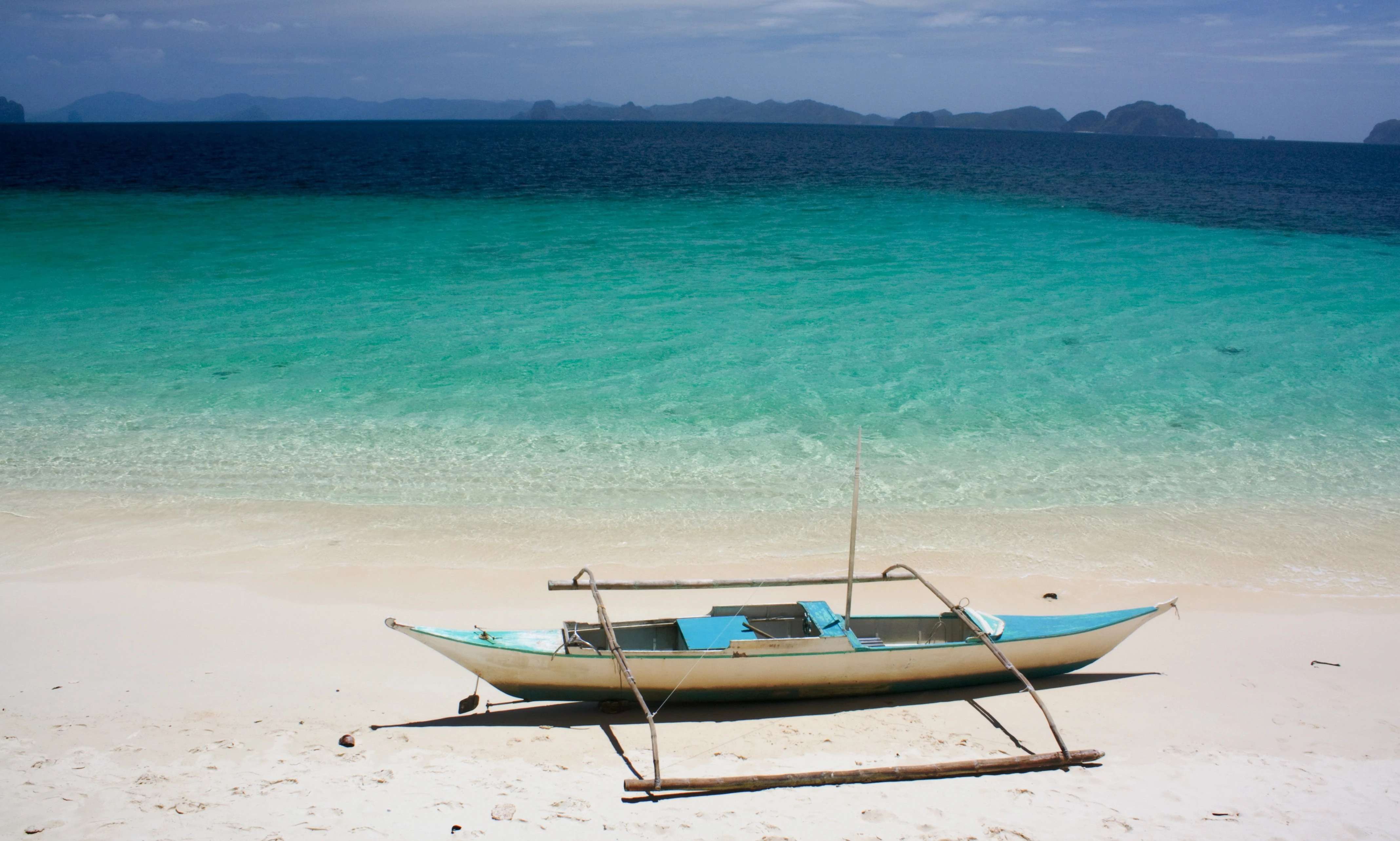
No travel guide can fully prepare you for the little moments that make traveling in the Philippines so memorable. Beyond the beautiful beaches and tropical islands, it's the people and their unique way of life that often leave the biggest impression.
Here are a few things that first-time visitors are often surprised by.
"How Far Is It?" Isn't Always an Easy Question
One of the funniest experiences first-time visitors have is asking a Filipino:
"How far is the beach?"
The answer is often:
"Just nearby."
"Five minutes."
"It's not far."
Twenty or thirty minutes later... you're still walking.
Don't worry nobody is trying to trick you.
Many Filipinos don't naturally think in terms of exact distances. Instead, they estimate based on experience, traffic, road conditions, or simply what feels "close" to them.
To make things even more interesting, someone may not even point with their finger.
Instead, they'll point using their lips or mouth—a uniquely Filipino gesture.
You'll see them purse their lips and quickly point in a direction.
At first, you might think they're whistling or making a funny face!
They're actually giving you directions.
The tricky part?
That little lip point doesn't tell you whether the destination is 100 meters away... or 3 kilometers away.
It simply means:
"It's somewhere in that direction."
So if someone smiles, points with their lips toward the mountains and says,
"It's just over there."
You may want to ask one more question:
"How many minutes by car?"
"Can I walk there?"
"Should I ride a tricycle or a motorcycle?"
You'll save yourself a lot of unexpected exercise!
Local Tip 💡
If three different Filipinos give you three different directions, don't panic.
They're all probably trying their best to help.
The safest approach is to combine everyone's advice—or simply open Google Maps while enjoying the conversation. After all, asking for directions in the Philippines is often less about finding the fastest route and more about meeting some of the friendliest people you'll encounter on your journey.
Filipinos Often Understand English... But They're Too Shy to Speak It
English is one of the official languages of the Philippines and is taught in schools from an early age.
Most Filipinos can understand basic English, especially younger generations.
However, many people are shy about speaking it.
They're often worried about making grammatical mistakes or having the "wrong" accent.
So don't mistake silence for a lack of understanding.
If someone seems hesitant:
Speak slowly.
Use simple words.
Smile.
Be patient.
You'll often discover they understood you all along.
Don't Be Surprised If Strangers Talk to You
In many countries, strangers rarely start conversations.
In the Philippines...
That can change very quickly.
People may ask:
"Where are you from?"
"Where are you going?"
"First time in the Philippines?"
They're usually just being friendly.
Curiosity here is often a way of making visitors feel welcome.
"Have You Eaten?"
One question surprises many foreign visitors:
"Have you eaten?"
At first, some travelers think they're being invited to lunch.
Not necessarily.
In many Filipino communities, asking "Kumain ka na?" ("Have you eaten?") is simply another way of saying:
"How are you?"
It's a caring greeting that reflects how important food and family are in Filipino culture.
So don't be surprised if someone you've just met asks about your last meal.
Children Will Wave and Say "Hello!"
Outside the big cities, children are often excited to see foreign visitors.
You'll hear:
"Hello!"
"Hi!"
"What's your name?"
Sometimes they'll giggle and run away after saying hello.
Sometimes they'll follow you down the road waving enthusiastically.
They're not trying to bother you—they're simply curious and excited.
Many travelers say these spontaneous greetings become some of their happiest memories.
A smile and a friendly wave back will usually make their day.
Karaoke Is Practically a National Sport
You haven't truly experienced the Philippines until you've heard someone singing karaoke at 10 o'clock in the morning...or during a birthday......or a wedding.....or a Sunday afternoon......or simply because it's Tuesday.
Karaoke is woven into Filipino life.Don't worry if you can't sing.Nobody expects perfection.
The goal is to have fun, laugh together, and enjoy the moment.
If someone hands you the microphone, consider it a compliment they're welcoming you into the celebration.
Time Moves a Little Differently
Island life has its own rhythm.
Schedules are often more relaxed than visitors expect.
A boat might leave a little later than planned.
A van might wait for a few more passengers.
A tour might pause because someone spotted dolphins—or because a herd of goats decided to cross the road.
Instead of becoming frustrated, many experienced travelers learn to embrace the slower pace.
Sometimes the unexpected moments become the best stories.
Hospitality Is Genuine
If someone offers you fruit from their garden...
Accept it.
If a family invites you to sit down...
Enjoy the conversation.
If a fisherman proudly shows you his catch...
Take a moment to admire it.
Filipino hospitality isn't something people switch on for tourists.
It's simply part of daily life.
Visitors are often treated like guests rather than customers.
Don't Be Alarmed by Roosters
One thing almost every visitor notices is the sound of roosters.
They don't just crow at sunrise.
Some seem convinced it's sunrise every few hours!
Roosters are common in both rural villages and small towns, and for many Filipinos, it's simply part of everyday life.
After a few days, you'll probably stop noticing them—or you might even miss the sound when you leave.
You'll Never Leave Hungry
Food is an important part of Filipino culture.
If you're invited to someone's home, it's common to hear:
"Eat first."
Even if you've just finished lunch.
Sharing food is one of the most genuine ways Filipinos show kindness and hospitality.
Turning down food politely is perfectly acceptable, but if you do accept, you're likely to enjoy not only a delicious meal but also a heartfelt conversation.
Travel With an Open Mind
The Philippines isn't a destination that's meant to be rushed.
The best memories often come from the moments you didn't plan:
Chatting with a tricycle driver who recommends a hidden beach.
Stopping at a roadside stall for the sweetest mango you've ever tasted.
Being invited to a local fiesta.
Laughing with children who want to practice their English.
Watching fishermen bring in the day's catch at sunset.
These are the experiences that don't appear on maps—but they're the ones you'll remember long after your vacation ends.